Protecting your family and home in Dover, MA
If you own a home in Dover, MA, basic precautions can make garage door repair far safer for everyone. Garage doors are heavy moving systems; a small mistake can cause a costly repair or a serious injury. This guide focuses on clear, local steps homeowners can take before, during, and after service to reduce risk and keep garage doors functioning for years.
Prepare the space before any repair
Good preparation makes professional work quicker and safer. Before a technician arrives, clear the garage area of vehicles, bicycles, tools and children’s toys. Remove extension cords and anything that could tangle with the door or opener. A tidy workspace reduces trip hazards and gives the technician room to work on springs, cables and rollers.
Checklist to do before a visit
- Park cars outside and lock garage access from inside the house.
- Move flammable materials away from the door and opener.
- Note any unusual noises or times the door failed to respond.
- Disconnect smart controls or share access codes with the technician if requested.
Understand the main hazards and what pros handle
Springs and cables store a lot of energy. Professionals train to release that energy safely. If you try DIY spring replacement or cable adjustment, you risk sudden failure and injury. For homeowners planning a repair or routine maintenance, knowing what parts are hazardous helps you keep safe distance and follow directions.
Common hazards
- Broken torsion or extension springs — sudden recoil can be dangerous.
- Frayed cables — may snap under tension during repair.
- Misaligned tracks — can cause the door to bind or fall off rollers.
- Faulty auto-reverse sensors — these prevent crushing injuries when working properly.
When arranging service, ask if the technician will perform a safety check of sensors and the auto-reverse function. If you want by-the-book guidance on maintenance, our services page explains standard inspections and common fixes.
Safe steps during a repair
During a repair, small habits matter. Keep children and pets out of the garage. Stand to the side when the door is moved, not directly beneath it. If the technician asks you to operate the opener, follow instructions slowly and confirm the area is clear first.
Questions to ask your technician
- Do you use safety cables with extension springs?
- Will you test the door’s balance and the opener’s auto-reverse?
- Do you carry replacement parts and a safety checklist for the homeowner?
For routine tips and seasonal reminders specific to our region’s weather, check timely posts on our blog. Cold winters and wet springs in New England change how springs and lubricants perform; local pros plan repairs with climate in mind.
Post-repair checks you should run
After a technician completes work, run a few simple tests with them present so you’re confident the door operates safely.
- Balance test: disconnect the opener and lift the door halfway—if it holds, springs are balanced.
- Auto-reverse test: place a 2×4 on the floor where the door closes; the door should reverse on contact.
- Sensor alignment: visually ensure the safety sensors face each other and have clean lenses.
Keep a record of the repair, date, parts changed, and any warranty details. That helps if you need follow-up service or a future inspection.
When to hire a pro and what to expect
Major spring work, broken cables, track realignment or motor issues are best left to licensed technicians. A qualified pro brings the right tools and replacement parts and follows safe handling routines. Expect clear communication about time on site, parts used, and a written estimate for non-emergency work.
If you need to schedule a safety inspection, you can contact us to book a local visit. Professional oversight reduces repeat calls and lowers the chance of a DIY mistake.
Practical safety upgrades for Dover homes
Upgrades not only improve safety but also add convenience and value as part of home improvement projects. Consider these targeted improvements for residential service upgrades:
- Install safety cables on extension-spring systems.
- Upgrade to a door with pinch-resistant panels if children are present.
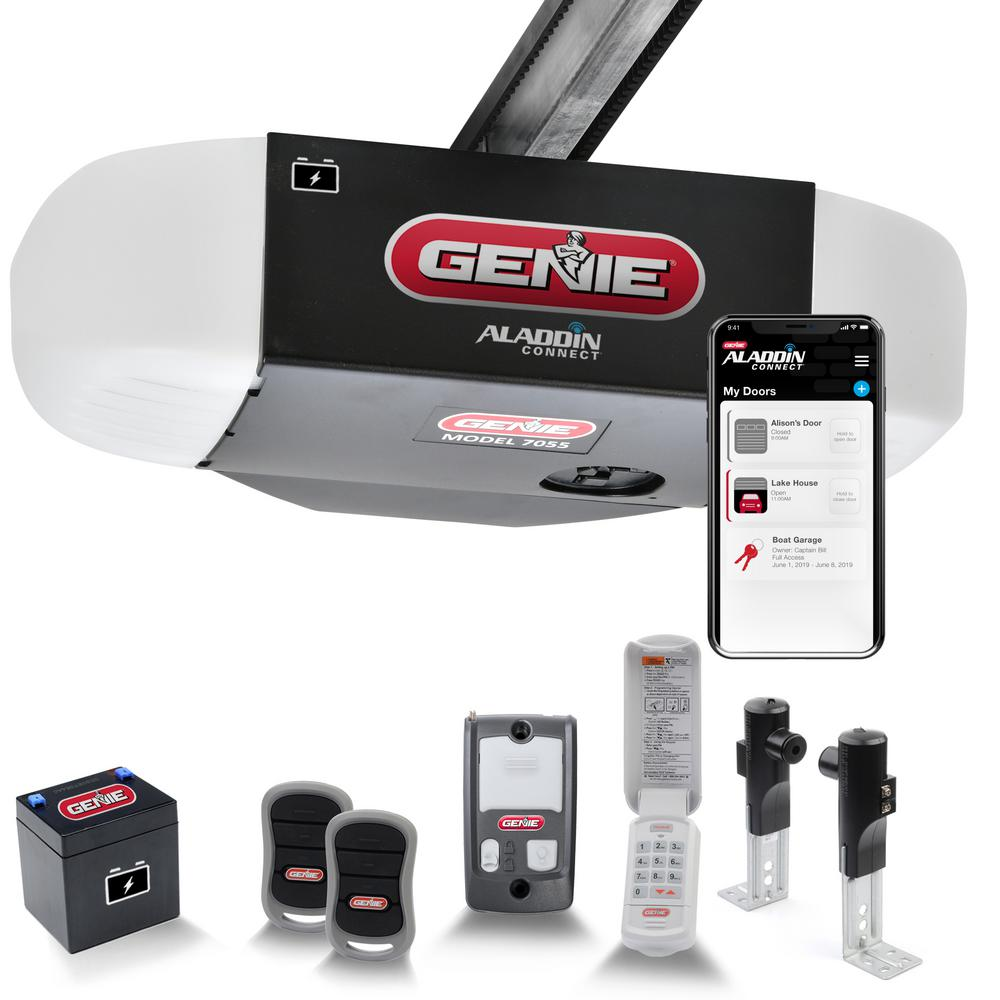
- Add a battery backup to the opener for power outage safety.
- Swap old openers for models with modern auto-reverse and rolling-code remotes.
Implementing these changes on a schedule with other home improvement work reduces cumulative disruption.
Local rules, warranties and expected timelines
Small towns in Massachusetts rarely require permits for basic repair, but major structural changes or adding habitable space above a garage can trigger local zoning or permit requirements. Ask your technician if a permit is required before large-scale work. Warranties vary by part and installer—always request written warranty details and an expected timeline before work begins.
If you want a step-by-step maintenance plan or a quote, our technicians explain expected timelines and warranty coverage as part of an on-site estimate.
Final tips and the long view
Regular care prevents emergencies. A simple twice-yearly inspection reduces sudden failures and keeps garage doors operating smoothly. If you search for garage door repair ma how to improve safety guide, use checklists from trusted local pros and schedule inspections after extreme weather.
Keeping a log of work, parts, and dates is a small habit that pays off when you sell the home or need warranty service. Safety is about planning: preventive maintenance plus professional repairs are the most reliable path to a safe, functioning garage door.
Frequently asked questions — Dover, MA
Q: How does cold New England weather affect spring life and repair timing?
A: Cold weeks make metal springs stiffer and more brittle. In Dover, MA, schedule inspections in early fall and late spring. Technicians can spot stress fractures and recommend replacement before winter stresses the system.
Q: What is a reasonable price range for a basic spring replacement in this area?
A: For Dover homeowners, expect a typical range of a few hundred dollars for a single torsion spring replacement and higher for matched pairs or specialty springs. Ask for a written estimate that lists parts, labor, and warranty.
Q: Do I need a permit for garage door replacement in Dover?
A: Most standard repairs and like-for-like door replacements don’t need a Dover building permit. Structural alterations or converting garage space to living area may require permits—check with town building officials or ask your technician.
Q: How long does a professional repair typically take?
A: Most common repairs—sensor alignment, opener adjustments, or spring swap with parts on hand—take 1–3 hours. Larger jobs like full door replacement or track realignment can take most of a day. Your technician should provide a time estimate.
Q: What should I expect from a warranty on parts and labor?
A: Warranties vary. Springs and openers often have manufacturer warranties; installers may offer workmanship guarantees. Get details in writing with start and end dates and any service conditions.
Helpful local resources in Dover, MA
- Garage Door Repair Boston
- Garage Door Repair Cambridge
- Garage Door Repair Newton
- Garage Door Repair Lexington
- Garage Door Repair Wellesley
- Garage Door Repair Brookline
- Garage Door Repair Somerville
- Garage Door Repair Burlington
- Garage Door Repair Andover
- Garage Door Repair Weston
- Garage Door Repair Belmont
- Garage Door Repair Westwood
- Garage Door Repair Sharon
- Garage Door Repair Needham
- Garage Door Repair Concord
- Garage Door Repair Hingham
- Garage Door Repair Scituate
- Garage Door Repair Marblehead
- Garage Door Repair Natick
- Garage Door Repair Milton
- Garage Door Repair Acton
- Garage Door Repair Medfield
- Garage Door Repair Sudbury
- Garage Door Repair Wayland
- Garage Door Repair Hanover
- Garage Door Repair Tewksbury
- Garage Door Repair Carlisle
- Garage Door Repair Dover
- Garage Door Repair Hopkinton
- Garage Door Repair Framingham